How to Troubleshoot Common Electrical Problems in Your Home
Is your living room suddenly plunged into darkness? Or maybe your kitchen outlets quit working just as you’re making that first cup of coffee. Home electrical problems have a talent for showing up at the worst possible times. They can be annoying, disruptive, and—when left unchecked—downright dangerous.
At Heavy Duty Electric, we’ve seen it all. We know you want to keep your family safe, your appliances running, and your home comfortable—day or night. So, let’s walk through some practical ways to troubleshoot common electrical issues, spot warning signs early, and know when it’s time to call in a 24/7 emergency electrician.
Top Home Electrical Issues ⚡
Electrical hiccups range from mild annoyances to flashing red lights. Here are the ones we see most often in homes:
Dead Outlets
- Suddenly, a lamp or charger just won’t work.
- No sound, no light, no power.
Flickering or Dim Lights
- One bulb flickers or dims, or an entire room seems haunted.
- May happen when large appliances (like your fridge) kick on.
Tripped Circuit Breakers
- Suddenly, half your home loses power.
- The breaker box handle is out of place.
Warm or Discolored Outlets/Switches
- Cover plates feel hot, or you notice burn marks.
- A sign of potential fire risk—don’t ignore this.
Persistent Burning Smell
- Sharp, acrid odor near outlets, switches, or your panel.
- Immediate attention required.
Every one of these issues can be the tip of a much bigger iceberg. Electrical Safety Foundation International (ESFI) warns that even small electrical faults can escalate—fast.
Step-by-Step Troubleshooting: What to Check First
Before you grab your toolbox, take a breath. Start with safety.
1. Dead Outlets
- Check nearby outlets. Is it just one, or several in a row?
- Test with a different device. Sometimes, it’s the lamp, not the outlet.
- Look for GFCI outlets. Bathrooms, kitchens, garages often have Ground Fault Circuit Interrupters. Press the "reset" button.
- Check the breaker panel. Is a breaker flipped? Firmly switch it off, then back on.
2. Flickering Lights
- Tighten bulbs. Loose bulbs are a classic culprit.
- Swap the bulb. If flickering continues, it’s likely wiring or the fixture.
- Check for patterns. Do lights flicker when the AC or fridge turns on? It may be circuit overload.
3. Tripped Breakers
- Unplug devices. Too many items on one circuit can trip breakers.
- Reset the breaker. Switch it all the way off, then on.
- Watch for repeat trips. If it happens again with nothing plugged in, stop—call for help.
4. Warm Outlets or Burning Smell
- Do not touch. If you notice warmth, discoloration, or smell burning, cut power at the breaker.
- Evacuate if needed. If smoke is present, leave your home and call 911.
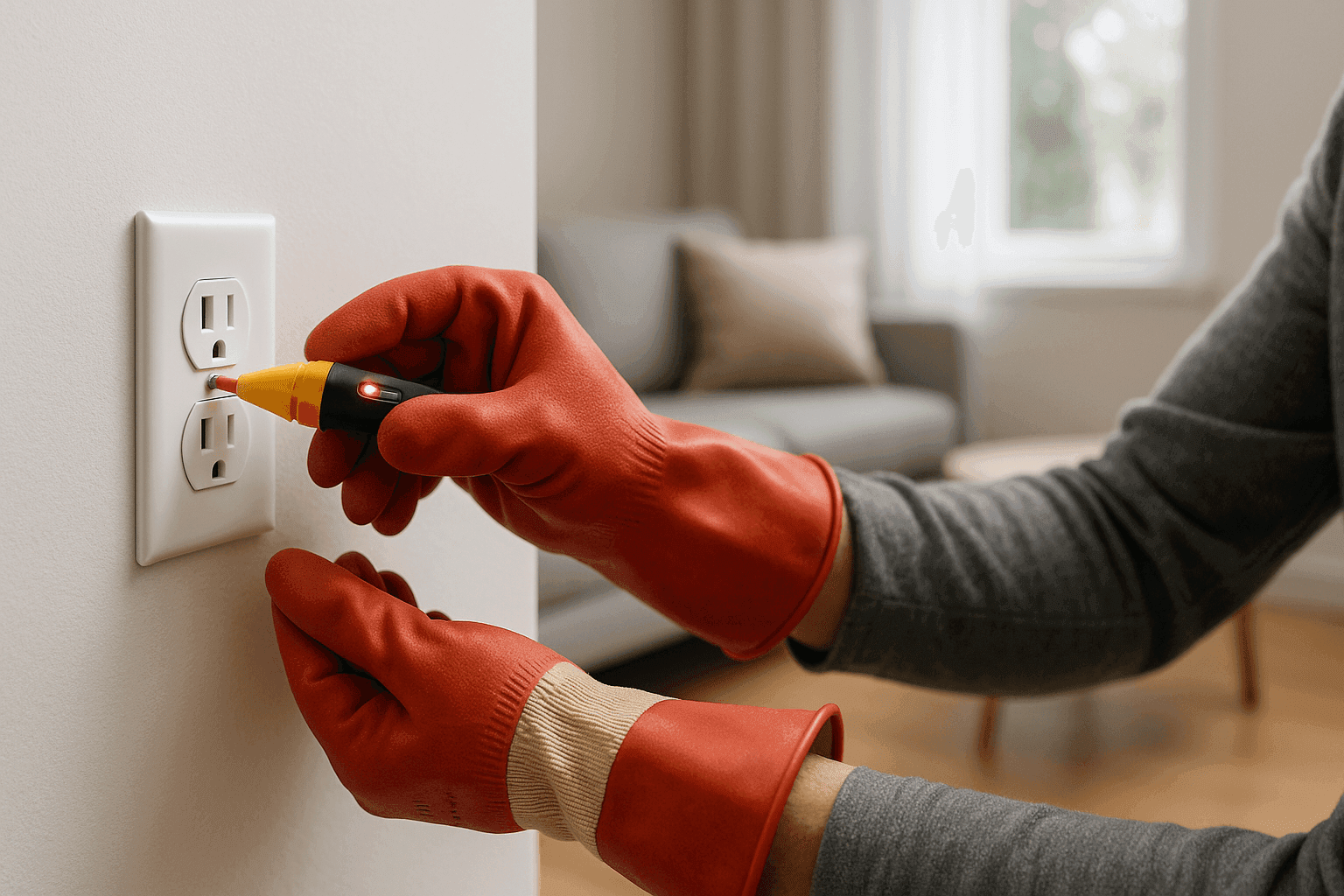
Pro Tip: Use a plug-in voltage tester to check outlets safely. Never use wet hands or metal objects. The National Electrical Code (NEC) is clear: safety first, always.
Quick Safety Checklist Before You Start
- Dry hands and rubber-soled shoes.
- Stand on a dry surface—no damp floors.
- Only use insulated tools.
- Never open up your electrical panel unless you’re trained.
- Keep kids and pets away from the area.
- Trust your instincts—if you feel unsure, stop.
If you’re ever in doubt, seeking "Electrical Safety Inspections near you" is the right move.
When to DIY vs. Call a Pro 🛠️
Think of electrical fixes like climbing a ladder: some rungs are safe; go too high, and the risk isn’t worth it.
Safe DIY Tasks
- Resetting a tripped breaker (once or twice).
- Changing a light bulb or tightening a fixture.
- Testing a GFCI outlet’s reset button.
- Swapping out batteries in smoke or carbon monoxide detectors.
Call an Emergency Electrician for:
- Frequent breaker trips.
- Dead outlets that don’t reset.
- Flickering/dimming lights throughout the house.
- Warm, buzzing, or sparking outlets/switches.
- Burning smells or visible damage.
- Water near electrical components (after storms or leaks).
- Any sign of melted plastic or scorched panel covers.
If your home is older, was recently renovated, or you notice odd electrical behavior after plugging in a new appliance, don’t take chances.
What Professional Electricians Do On Arrival
When you call Heavy Duty Electric, here’s what you can expect:
- Thorough safety checks: We start at the panel and work outward, following standards set by the National Fire Protection Association (NFPA 70).
- Advanced fault finding: Using voltage testers, circuit analyzers, and years of experience, we trace the problem to its root—be it faulty wiring, overloaded circuits, or a failing appliance.
- Clear communication: We’ll explain what’s wrong (in plain English), what caused it, and how to make it right.
- Immediate repairs: For urgent hazards, we’ll secure your home and fix what’s needed—right then and there.
Professionals don’t just patch symptoms. We solve the underlying issue, ensuring your electrical system is safe and reliable.
Preventing Recurring Problems 🔋
A little prevention goes a long way. Here’s how to keep your system running smoothly:
- Schedule regular Electrical Safety Inspections. Think of it as a checkup for your home.
- Don’t overload outlets. High-wattage appliances (space heaters, microwaves) deserve their own circuits.
- Replace old wiring. Homes built before 1980 may have outdated or unsafe wiring (like aluminum).
- Test GFCI and AFCI outlets monthly. Press "test" then "reset" to ensure protection.
- Install whole-house surge protection. Especially important in areas prone to storms.
- Keep cords tidy and undamaged. Never run them under rugs or furniture.
Following guidelines from the U.S. Consumer Product Safety Commission (CPSC) and local codes, these steps help prevent fires and protect your family.
Costs & Time Factors
Electrical repairs can range from quick fixes to major projects:
- Simple resets: (GFCI or breaker) — usually minutes.
- Outlet replacements: May take 30–60 minutes.
- Wiring repairs or panel work: Can take several hours.
- Emergency service: Available 24/7, but after-hours work may cost more.
Remember: Skimping on safety now can lead to bigger bills—or hazards—later.
When It’s an Emergency
Not sure if it’s urgent? Here’s what calls for immediate action:
- Smoke, fire, or burning smells.
- Buzzing panels or outlets.
- Power loss in half or all of your home (not caused by a neighborhood outage).
- Flooding or water near outlets or your panel.
- Sparking wires, especially after a storm.
If you feel unsafe, evacuate and call 911. Then reach out to Heavy Duty Electric for prompt, professional help.
FAQ
What causes outlets and switches to go dead?
Often, it’s a tripped GFCI or breaker. Sometimes, it’s loose wiring or a faulty outlet. If resetting doesn’t work, call in a pro to investigate.
Is it safe to reset my breaker panel myself?
If you’re standing on a dry surface, with dry hands, and nothing smells or looks burned, yes—for a simple reset. If breakers trip repeatedly, don’t force it. That’s a job for a licensed electrician.
Why do my lights flicker every time I use the microwave?
This usually points to an overloaded circuit or loose wiring. It’s a sign your circuits may need to be upgraded or rewired.
When should I schedule an Electrical Safety Inspection?
If your home is over 20 years old, after renovations, or if you notice frequent electrical issues. Annual checkups are a smart move for peace of mind.
Local & Seasonal Considerations
Stormy weather, high summer AC use, or winter heaters can all stress your electrical system. In older homes, seasonal moisture can seep into wiring, causing shorts or corrosion. After major storms or power surges, have your system checked by a professional. If you’ve added new appliances or EV chargers, a system upgrade may be needed to handle the extra load.
Electrical problems don’t keep office hours—and neither do we. If you’re facing flickering lights, dead outlets, or anything that feels off, don’t ignore it. Call Heavy Duty Electric now — or reach us anytime at 855-513-8570 . Stay safe, stay powered!