How Much Does It Cost to Rewire a Home? Complete Homeowner Guide
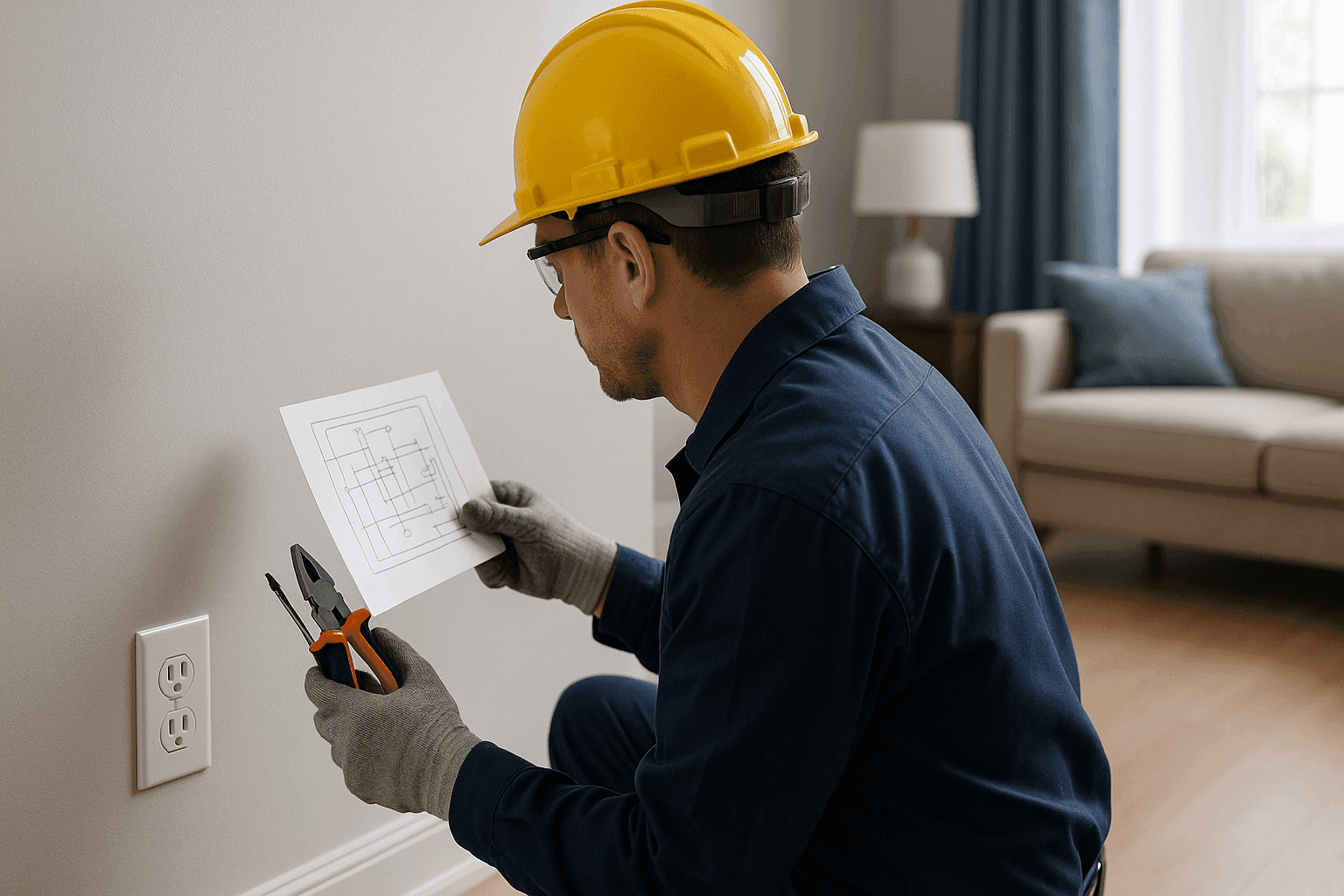
Thinking about rewiring your home? It’s a big step, and not just for peace of mind. Old or faulty wiring is like an unseen storm quietly brewing behind your walls. Waiting too long can risk safety, insurance headaches, and even the value of your home.
At Heavy Duty Electric, we know rewiring isn’t just a technical job—it’s about keeping your family and your investment safe. Here’s what every homeowner needs to know about the real costs, what drives them, and how to plan for a project this important.
Why Rewiring May Be Needed ⚡
Wiring isn’t built to last forever. Over time, insulation breaks down, connections loosen, and codes change. Here are some of the main reasons homeowners call for an emergency electrician or book Electrical Safety Inspections near you:
- Frequent breaker trips or blown fuses: Like your home’s way of calling for help.
- Flickering or dimming lights: Not just annoying—often a red flag.
- Old knob-and-tube or aluminum wiring: Common in houses before the 1970s, these are known troublemakers.
- Burning smells or warm outlets: Never ignore this. It’s like your house whispering “fire hazard.”
- Too few outlets: Extension cords everywhere? Your wiring may be overloaded.
Even if nothing seems wrong, most homes over 40 years old should have their wiring checked. The National Electrical Code (NEC) updates regularly; what was safe decades ago may be risky now.
Main Cost Factors in Home Rewiring
Rewiring isn’t a one-size-fits-all job. Several things shape the price, just like how no two homes are exactly alike:
1. Size of the Home
- More rooms = more wire. A small bungalow costs much less to rewire than a sprawling multi-story house.
- Typical single-family homes range from 1,000 to 3,000+ square feet. Each extra room means more labor, more materials.
2. Age and Condition
- Older homes often mean more surprises. Plaster walls, outdated panels, or hidden junction boxes can slow things down.
- If your house has been remodeled—or never updated since it was built—the work can get tricky fast.
3. Accessibility
- Finished basements or tight crawl spaces make it tougher to reach old wires.
- Open walls (during renovations) can cut costs, while finished walls mean more patching and painting later.
4. Materials and Components
- Copper vs. aluminum: Most codes now require copper for safety.
- Adding new outlets, switches, smart home systems, or surge protection? Each feature adds to the bill.
5. Local Codes and Permits
- Permitting and mandatory Electrical Safety Inspections near you can add fees, but skipping them is never worth the risk.
Price Ranges for Typical Homes
What’s the bottom line? While every project is unique, here’s what most homeowners can expect:
- Partial Rewire: $2,000 – $8,000
(Think: updating just the kitchen, a new circuit for an EV charger, or a single floor.) - Full Rewire (Small Home, ~1,000 sq ft): $8,000 – $15,000
- Full Rewire (Average Home, ~2,000 sq ft): $15,000 – $30,000
- Large/Older Homes: $30,000 and up
These ranges include labor, standard materials, permit fees, and wall repairs. Adding extras—like new lighting, home automation, or generator hookups—will increase the total.
Unexpected Expenses: What Homeowners Overlook 😬
It’s easy to budget for wire and outlet costs. But some surprises can push your project past the expected price tag:
1. Panel Upgrades
- Old electrical panels may not handle modern loads or meet today’s codes.
- Upgrading a panel can add $1,500–$4,000 to your project.
2. Code Compliance Corrections
- Bringing your home up to the latest NEC or local requirements is non-negotiable.
- This might mean extra GFCI/AFCI outlets, smoke and carbon monoxide detectors, or arc-fault protection.
3. Hidden Damage
- Water leaks, rodent damage, or DIY wiring mistakes can add hours—or days—of extra work.
4. Repairs After the Job
- Patching, painting, and restoring trim after access holes are made is sometimes overlooked in early estimates.
How to Budget and Save on Your Home Rewire
Let’s face it—rewiring is a big investment. But putting it off can cost even more in insurance claims, repairs, or safety risks.
Here’s how smart homeowners stretch their dollars:
- Bundle upgrades. Planning a remodel? Combine projects while walls are open.
- Get a thorough assessment. A professional walk-through catches hidden issues early and helps avoid last-minute costs.
- Prioritize safety. Never cut corners on code compliance or permit fees.
- Compare apples to apples. When reviewing quotes, check what’s included—materials, repairs, permit costs, and testing should all be spelled out.
- Ask about phased work. In some cases, you can rewire parts of the home over time.
Signs It’s Time to Rewire
Still not sure if you need a full rewire or just a few repairs? Watch for these signs:
- Frequent breaker trips
- Lights that flicker or buzz
- Outlets that look scorched or loose
- Extension cords everywhere
- Home age over 40 years with original wiring
If any of these sound familiar, call for an emergency electrician or schedule Electrical Safety Inspections near you right away.
Partial vs. Full Rewire: What’s the Difference?
- Partial Rewire: Updates just one area (like the kitchen or an addition). Cheaper, but may leave older circuits untouched.
- Full Rewire: Replaces all electrical wires, outlets, and often the panel. More expensive, but brings your entire home up to modern safety standards.
A professional assessment will help you decide what’s truly needed for your home.
Why Professional Assessments Matter 🧐
Rewiring isn’t just about replacing wires. A licensed electrician:
- Inspects your entire electrical system for hidden hazards.
- Checks grounding, panel capacity, and code compliance.
- Uses specialized tools (like circuit tracers and thermal cameras) to spot trouble you can’t see.
- Provides a clear, itemized estimate so you know exactly what to expect.
The National Fire Protection Association (NFPA) and NEC both recommend regular electrical assessments, especially before major updates or after 40 years.
Why Cutting Corners Can Be Dangerous
It’s tempting to save money with DIY fixes or by hiring unlicensed help. But electrical fires don’t take shortcuts. Insurance may refuse claims for work that wasn’t permitted or inspected. Most importantly, faulty wiring is a leading cause of house fires nationwide (U.S. Fire Administration).
Always use a licensed, insured electrician for any major work—and always insist on permits and final inspections.
How Long Does a Home Rewire Take?
- Partial Rewire: 1–5 days, depending on area.
- Full Rewire: 5–15 days for most homes.
Older homes, tight spaces, or major panel upgrades can stretch timelines longer. Good planning and clear communication help keep surprises to a minimum.
How to Avoid Common Pitfalls
- Don’t delay repairs if you see warning signs—electrical issues rarely get better with time.
- Don’t skip permits or inspections. It’s not just about rules; it’s about safety and resale value.
- Don’t hire based on price alone. Make sure your contractor is licensed and experienced with homes like yours.
FAQ
Will my house be a mess during rewiring?
Expect some dust and access holes, but pros work room by room to minimize disruption. Plan for some patching and painting afterward.
Can I stay home while the work is done?
Usually, yes—though you may be without power in parts of the house for a few days. Your electrician will coordinate the schedule with you.
Is rewiring covered by insurance?
Insurance rarely covers upgrades unless damage is caused by a covered event (like a fire or flood). But having updated wiring can lower your premiums.
What about older homes with plaster walls?
Rewiring older homes is more complex, but experienced electricians use special techniques to limit damage to walls and ceilings.
Local and Seasonal Considerations 🌦️
Weather can affect scheduling—think snow, storms, or extreme heat. Some cities have stricter permit requirements, which can add time or cost. If you live in a historic district, local rules might limit how work gets done.
Always check with your local building department about requirements in your area before starting.
Thinking about rewiring or worried about your home’s safety? Don’t wait. Call in the professionals who handle everything—from emergency electrician service to complete Electrical Safety Inspections near you.
Call Heavy Duty Electric now — or reach us anytime at 855-513-8570 .