Home Electrical Safety Checklist: Prevent Hazards Year-Round
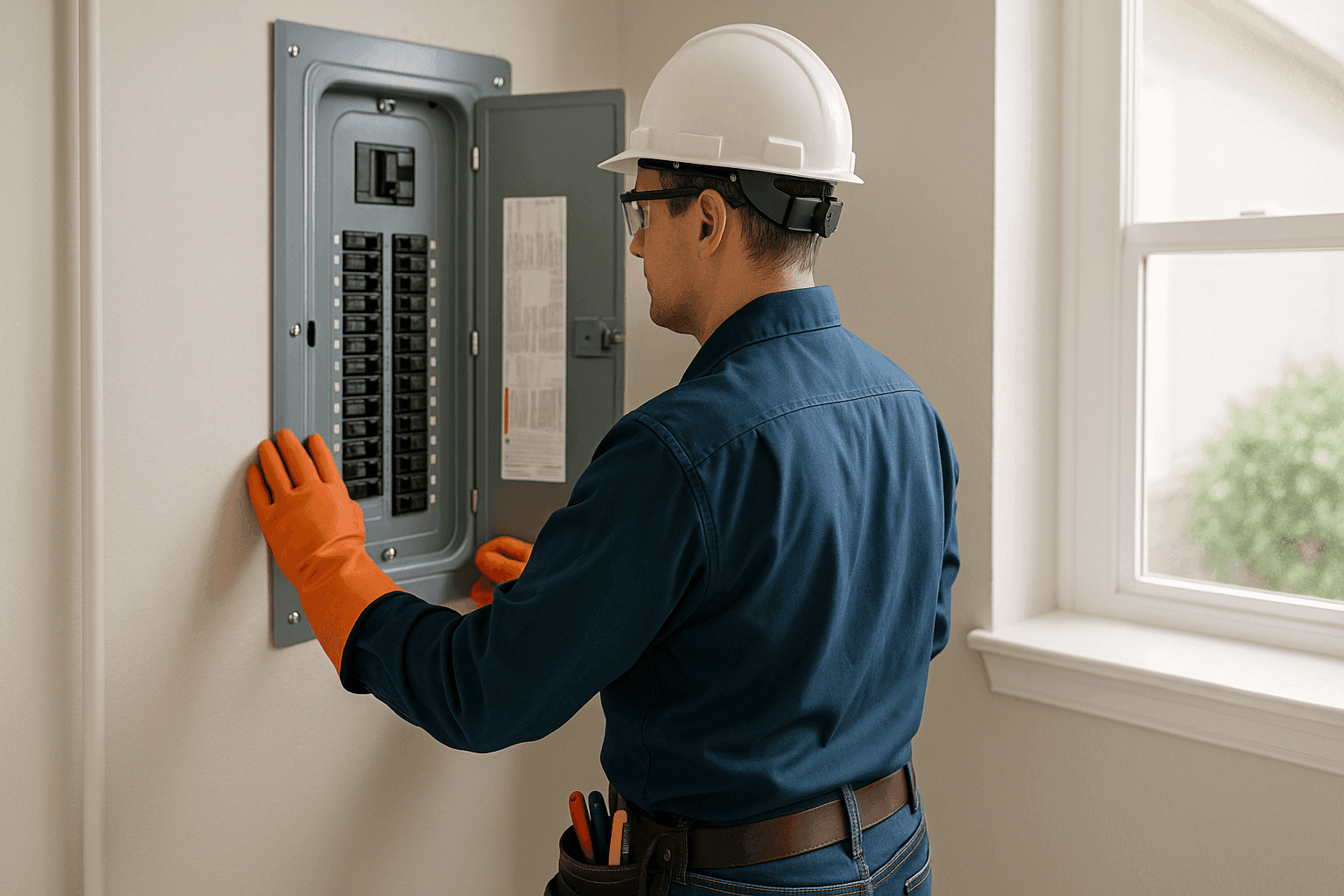
Electricity makes life bright and comfortable—until something goes wrong. Flickering lights, tripped breakers, or a burning smell behind the wall can turn a cozy evening into a panic. If you’ve ever wondered, “Is my home’s wiring safe?” you’re not alone.
At Heavy Duty Electric, we’ve seen countless emergencies that could have been prevented. Here’s a homeowner’s guide to staying safe, year-round. Simple checks, smart habits, and knowing when to call an emergency electrician are your best defense.
Why Electrical Safety Matters ⚡
Every year, electrical hazards spark thousands of house fires. According to the National Fire Protection Association, electrical issues cause an estimated 46,000 home fires annually in the U.S., leading to injuries, property loss, and even fatalities. But most hazards hide in plain sight—behind walls, under outlets, or inside old appliances.
Think of your home’s electrical system as the veins and arteries delivering energy everywhere you need it. If there’s a blockage or a leak, the consequences can be immediate and severe.
Common electrical risks include:
- Outdated or damaged wiring
- Overloaded outlets or power strips
- Faulty appliances
- Water exposure near sockets or switches
- Loose or warm outlets
- Unprotected electrical panels
The good news? Many hazards are easy to spot—or prevent—if you know what to look for.
Room-by-Room Electrical Safety Checklist
Stay a step ahead of danger by working through your home, one space at a time.
Living Room & Bedrooms
- Outlets: Look for cracked plates, discoloration, or loose plugs. If an outlet wiggles or sparks, it needs attention.
- Extension Cords: Never run cords under rugs or doors. Don’t piggy-back multiple power strips.
- Switches: Listen for buzzing or crackling. A switch should feel cool and operate smoothly.
- Lighting: Use bulbs with the correct wattage for each fixture. Overheating can melt sockets.
- Appliances: Unplug unused devices. Inspect cords for fraying or bite marks (especially if you have pets!).
Kitchen
- Countertop Appliances: Keep toasters, coffee makers, and microwaves away from sinks. Check for melted plugs or scorched cords.
- Outlets: Kitchens must have GFCI (ground-fault circuit interrupter) outlets near water. Press the “test” and “reset” buttons monthly.
- Major Appliances: Fridges, ovens, and dishwashers should have their own circuits. If lights dim when an appliance turns on, you may have a problem.
Bathrooms
- GFCI Outlets: Required by code near sinks and tubs. Test monthly.
- Heater/Fan Units: Dust buildup can overheat motors. Clean vents and check for odd smells.
- Water Exposure: Never use extension cords in bathrooms.
Basement, Garage, & Laundry
- Panels & Breakers: Check for rust or water marks on your electrical panel. Labels should be clear and up-to-date.
- Wiring: Old or exposed wires can attract rodents or moisture. If you see cloth insulation or cracked rubber, call for an Electrical Safety Inspection near you.
- Large Appliances: Washers, dryers, and freezers need grounded outlets. Never plug them into extension cords.
Whole Home
- Smoke & Carbon Monoxide Detectors: Test monthly. Replace batteries every spring and fall.
- Surge Protection: Safeguard electronics with surge protectors—especially if you live in a storm-prone area.
- Doorbell & Intercom: Wires should be tucked away, not dangling or frayed.
Seasonal Hazards: Stay Safe All Year 🌧️
Your home faces different risks depending on the season.
Spring & Summer
- Storms: Lightning can cause dangerous power surges. Install whole-house surge protection.
- Pools & Spas: All wiring must be up to code and protected by GFCIs. Never allow extension cords near water.
- Yard Work: Before digging, call for a utility check to avoid buried cables.
Fall
- Decorative Lighting: Use only outdoor-rated lights and cords. Check for cracked insulation before hanging.
- Portable Heaters: Never plug space heaters into extension cords or power strips.
Winter
- Holiday Lights: Check for frayed wires or broken bulbs. Don’t overload outlets.
- Snow & Ice: Moisture can seep into outdoor outlets. Inspect covers and seal gaps.
- Generators: Operate generators outdoors, away from windows or vents to prevent carbon monoxide poisoning.
When to Call a Professional Emergency Electrician
Some jobs are for experts only. Electricity doesn’t forgive mistakes. If you notice any of these signs, stop and call for help:
- Burning smells, buzzing, or crackling from outlets or switches
- Flickering lights or frequent breaker trips
- Warm or scorched outlets
- Water exposure to electrical systems
- Sparking panels or visible arcing
- Shock when plugging or unplugging devices
Don’t risk it. Even if you’re handy, certain repairs and inspections require specialized tools and knowledge—plus, local codes must be followed.
DIY vs. Call a Pro
DIY:
- Replacing light bulbs
- Testing GFCI outlets
- Resetting breakers
- Changing faceplates
Call a Pro:
- Any wiring behind walls or ceilings
- Panel upgrades or breaker replacements
- Installing new outlets or circuits
- Rewiring old homes or adding major appliances
- Smoke and carbon monoxide detector installation (hardwired)
- Data, phone, or intercom wiring
If you’re unsure, always err on the side of caution. An emergency electrician has the skills, tools, and training to keep you safe.
What Pros Do On Arrival
When a Heavy Duty Electric technician arrives, you can expect a systematic approach—no guesswork:
- Visual Inspection: We look for obvious hazards—burns, frayed wires, overloaded circuits.
- Testing & Diagnostics: Using meters and thermal cameras, we check for hidden faults, voltage drops, or hot spots.
- Code Compliance: We verify your system meets the latest safety codes (per the National Electrical Code, NEC).
- Clear Explanation: You get a rundown of what’s wrong, what’s urgent, and what can be scheduled.
- Immediate Repairs: For emergencies, we make the area safe and restore power when possible.
Ongoing Prevention & Maintenance
Yearly Electrical Safety Inspections near you are the best insurance against disaster. But there’s more you can do:
- Test detectors monthly.
- Don’t ignore warning signs (flickers, shocks, buzzing).
- Replace extension cords with permanent wiring solutions where needed.
- Keep your panel clear of clutter and labeled for quick shutoff.
- Schedule professional maintenance of panels, breakers, and surge protectors.
Following the U.S. Consumer Product Safety Commission’s guidelines can help you spot issues before they become emergencies.
Costs & Time Factors
Home safety doesn’t have to drain your wallet. Quick fixes, like replacing outlets or testing detectors, are affordable and can be done in minutes. Larger jobs—rewiring or panel upgrades—take a few hours to a few days, depending on your home’s size and age.
Remember: Delaying repairs often leads to bigger, costlier problems down the road. Preventive maintenance is always less expensive than emergency service after a fire or outage.
When It’s an Emergency
If you smell burning, see smoke, or lose power to half your home, don’t wait. Shut off power at the main panel if it’s safe, then step outside and call an emergency electrician. Never use water on electrical fires—use a rated extinguisher or get to safety.
Heavy Duty Electric is available 24/7 for emergencies. We know every minute counts.
FAQ: Common Electrical Safety Questions
How often should I schedule an Electrical Safety Inspection?
At least once every three years for newer homes—and yearly for older properties or after major renovations.
Why do my breakers keep tripping?
This usually means overloaded circuits, faulty wiring, or a damaged appliance. Don’t ignore it; repeated tripping is a red flag.
Can I install my own ceiling fan or EV charger?
Unless you’re trained and familiar with local codes, it’s safest to call a professional for any installation involving new wiring.
Are old two-prong outlets dangerous?
They lack grounding, which increases shock and fire risk. Upgrading to grounded outlets is highly recommended.
Local & Seasonal Considerations 🌬️
Your home’s location changes the risks. In storm-prone regions, surge protection is essential. Older neighborhoods may hide outdated wiring behind fresh paint. If you have a pool, spa, or electric vehicle charger, special precautions apply—ask for an inspection tailored to your needs.
For families in areas with harsh winters, check outdoor outlets and generator connections before the first freeze. In hot, humid climates, watch for corrosion or mold near panels and outlets.
A safer home starts with you—but you’re never alone. For fast, professional help, call Heavy Duty Electric now—or reach us anytime at 855-513-8570 .