Emergency Electrician Guide: What to Do Before Help Arrives
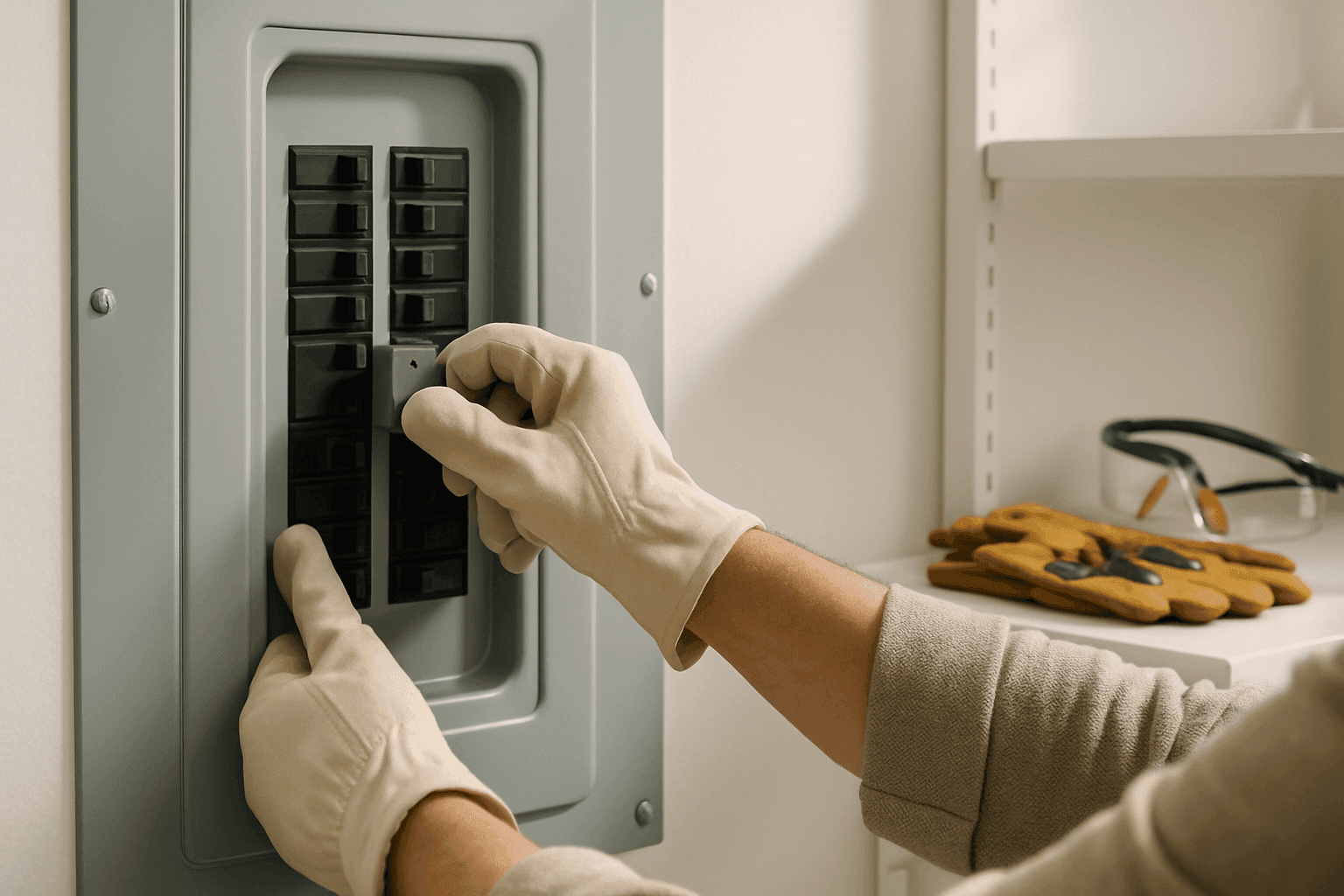
When the lights flicker, sparks fly, or a burning smell fills your home, panic can hit fast. Electrical emergencies don’t wait for business hours, and every second can matter. At Heavy Duty Electric, we know how stressful it is to face the unknown. Our team handles calls at every hour—helping families just like yours stay safe until a professional arrives.
This guide gives you simple, clear steps to follow if an electrical crisis strikes at home. Here’s what you should do, and what you should never risk, before your emergency electrician arrives.
Recognizing a True Electrical Emergency ⚡
Some electrical issues are annoying. Others are dangerous. How do you tell the difference?
A true emergency threatens your safety, your family, or your property. If you notice any of these, treat it seriously:
- Sparks or arcing from outlets, switches, or appliances.
- Burning smells (like melting plastic or overheated wires).
- Smoke or visible flames from electrical equipment.
- Power outages after a storm when your house is the only one affected.
- Buzzing, crackling, or popping sounds from your panel or walls.
- Water leaks near outlets or fuse boxes (think: flooded basements, burst pipes).
- Repeated tripping of breakers or blown fuses, especially if they won’t reset.
- Shocks or tingling sensations when touching an appliance or switch.
If you’re unsure, treat the situation as an emergency and call for help. Better safe than sorry.
Immediate Safety Steps: What to Do First
You don’t need to be an electrician to take life-saving action. Think of these as your “seatbelt” moves—quick, simple, and critical.
- Switch off power at the main breaker if you suspect fire, smoke, or electrical arcing. Only do this if you can reach it safely and dry.
- Keep everyone away from the danger zone. Children and pets are curious—make sure they stay clear of affected areas.
- If you see smoke or flames, evacuate immediately. Call 911, then your emergency electrician.
- Avoid water. Never step in standing water near electrical panels, outlets, or appliances.
- Unplug nearby devices (if safe), but don’t touch anything that’s sparking or hot.
- Don’t use water to put out an electrical fire. Use a Class C fire extinguisher if you’re trained and it’s safe.
- Open windows for ventilation if you smell burning but see no flames.
When to Call 24/7 Help
Some problems can’t wait. When in doubt—call. Here’s when to pick up the phone right away:
- Any signs of fire, smoke, or burning smells.
- Outlets, breakers, or switches that are hot to the touch.
- Shocks, buzzing, or sparking from any part of your electrical system.
- Flooding or leaks around electrical equipment.
- Major power loss that isn’t a neighborhood-wide outage.
A real emergency electrician is trained for urgent action any time, day or night. Don’t wait for “office hours” when safety is on the line.
What Not to Touch 🚫
Curiosity is normal—but electricity can be unforgiving. Some things are best left to the pros.
- Never touch exposed wires or a damaged breaker panel.
- Don’t try to repair burnt outlets or switches yourself.
- Avoid using extension cords or “workarounds” to restore lost power.
- Don’t try to reset a breaker repeatedly if it keeps tripping.
- Never enter a room with smoke, sparks, or water near electrical panels.
Remember: It’s like trying to fix a car while it’s still moving. Sometimes, the safest action is to wait for expert hands.
Common Electrical Emergencies at Home
Electrical emergencies don’t all look the same. Here are some real-life scenarios we’ve seen time and again:
- Storm Damage: Lightning strikes, falling branches, or wind can damage lines or panels. After a storm, check your home for any signs of damage before touching anything electrical.
- Overloaded Circuits: Too many high-powered devices plugged in? You might see dimming lights, tripping breakers, or even melted outlet covers.
- Faulty Appliances: Old fridges, space heaters, or microwaves can start arcing, sparking, or even catching fire.
- Wiring Issues: Older homes with outdated wiring (like knob-and-tube or aluminum) are at higher risk for shorts and fires.
- Pool & Spa Trouble: Wet environments and electricity are a risky mix. Any flickering, shocking, or malfunctioning equipment around water needs immediate attention.
- Generator Mishaps: Improperly installed or malfunctioning backup generators can cause fires, carbon monoxide leaks, or power surges.
Emergency Electrical Safety Checklist
Before your emergency electrician arrives, run through this quick checklist:
- [ ] Is everyone safely away from affected rooms?
- [ ] Have you shut off the main breaker (if it’s safe and dry to do so)?
- [ ] Are all pets contained away from hazards?
- [ ] Is there any fire or smoke? (If yes, call 911 immediately.)
- [ ] Have you avoided touching anything wet, sparking, or burnt?
- [ ] Have you called a 24/7 emergency electrician like Heavy Duty Electric?
Stay calm. Simple steps can make a world of difference.
DIY vs. Call a Pro
Some issues can wait for a regular electrician—others need urgent, professional care.
Safe for Homeowners:
- Resetting a tripped breaker once (if it’s dry and not hot).
- Unplugging a faulty appliance (if not sparking or hot).
- Flipping light switches to see which circuits are affected.
Leave to the Pros:
- Anything involving exposed wiring, smoke, or water.
- Repeated tripping breakers.
- Burning smells, buzzing panels, or scorched outlets.
- Power loss after storms or flooding.
When in doubt, don’t risk it. Licensed electricians know the National Electrical Code (NEC) and safety protocols that keep you protected.
What Pros Do On Arrival
A trained emergency electrician brings more than a toolbox—they bring know-how and calm under pressure.
- Rapid assessment: Pinpointing the exact cause using meters and safe testing procedures.
- Isolating the hazard: Shutting off affected circuits and making the area safe for repairs.
- Immediate repairs: Fixing critical faults, damaged wiring, or unsafe panels.
- Advice and next steps: Guiding you on repairs, replacements, or further inspections if needed.
Our team always follows up-to-date code and safety guidelines from the NEC, OSHA, and local authorities.
Prevention & Maintenance Tips
The best emergency is the one you never have. Here’s how to lower your risk:
- Schedule regular Electrical Safety Inspections near you—especially in older homes.
- Upgrade aging wiring, panels, and breakers before they fail.
- Don’t overload outlets or use daisy-chained power strips.
- Install surge protection for sensitive electronics.
- Test smoke and carbon monoxide detectors monthly.
- Keep water sources away from electrical panels and outlets.
A little prevention beats a lot of stress.
Costs & Time Factors
Emergency electrical work can’t be “one size fits all.” Costs and timelines depend on:
- The nature and severity of the problem (e.g., simple breaker reset vs. panel replacement).
- Accessibility—attic, crawl spaces, or behind finished walls can take longer.
- Parts and materials needed (sometimes a quick repair, sometimes a full replacement).
- Time of day—nighttime and holiday emergencies may take longer due to logistics.
Most urgent repairs are handled within a few hours. Some require follow-up visits for full rewiring or panel upgrades. Always ask your electrician what to expect up front.
When It’s an Emergency (And When It Isn’t) 🚨
Not every flicker or outage is a crisis. But these signs mean it’s time to act fast:
- Smoke, fire, or burning smells.
- Repeated breaker trips after resets.
- Shocks, buzzing, or visible sparks.
- Power loss isolated to your home after a storm.
- Water leaks near any electrical equipment.
If you’re ever in doubt—call for help. It’s not worth the gamble.
FAQ: Your Top Emergency Electrician Questions
Q: Should I use a fire extinguisher on an electrical fire?
A: Only use a Class C fire extinguisher, never water. If in doubt, evacuate and call 911.
Q: What if I lose power but the neighbors don’t?
A: This can mean a fault in your main panel or wiring. It’s a job for an emergency electrician.
Q: Is it safe to reset a breaker more than once?
A: No. A breaker that keeps tripping signals a deeper problem. Call for professional help.
Q: Do I need to evacuate if there’s just a burning smell?
A: If you can’t identify the source or it gets stronger, get everyone out and call 911, then an electrician.
Local & Seasonal Considerations
Storm season, cold snaps, and heat waves put extra stress on home electrical systems. After heavy rain or wind, check for downed lines, water leaks, and signs of damage—especially if your home is older or has a history of electrical issues.
If you’re in an area with a lot of summer storms or winter ice, invest in surge protection, generator maintenance, and periodic Electrical Safety Inspections near you. Staying prepared can make all the difference.
When every minute counts, don’t hesitate. Your safety comes first. For urgent electrical help—day or night—Call Heavy Duty Electric now — or reach us anytime at 855-513-8570 .