How to Prepare Your Home Electrical System for Winter Storms
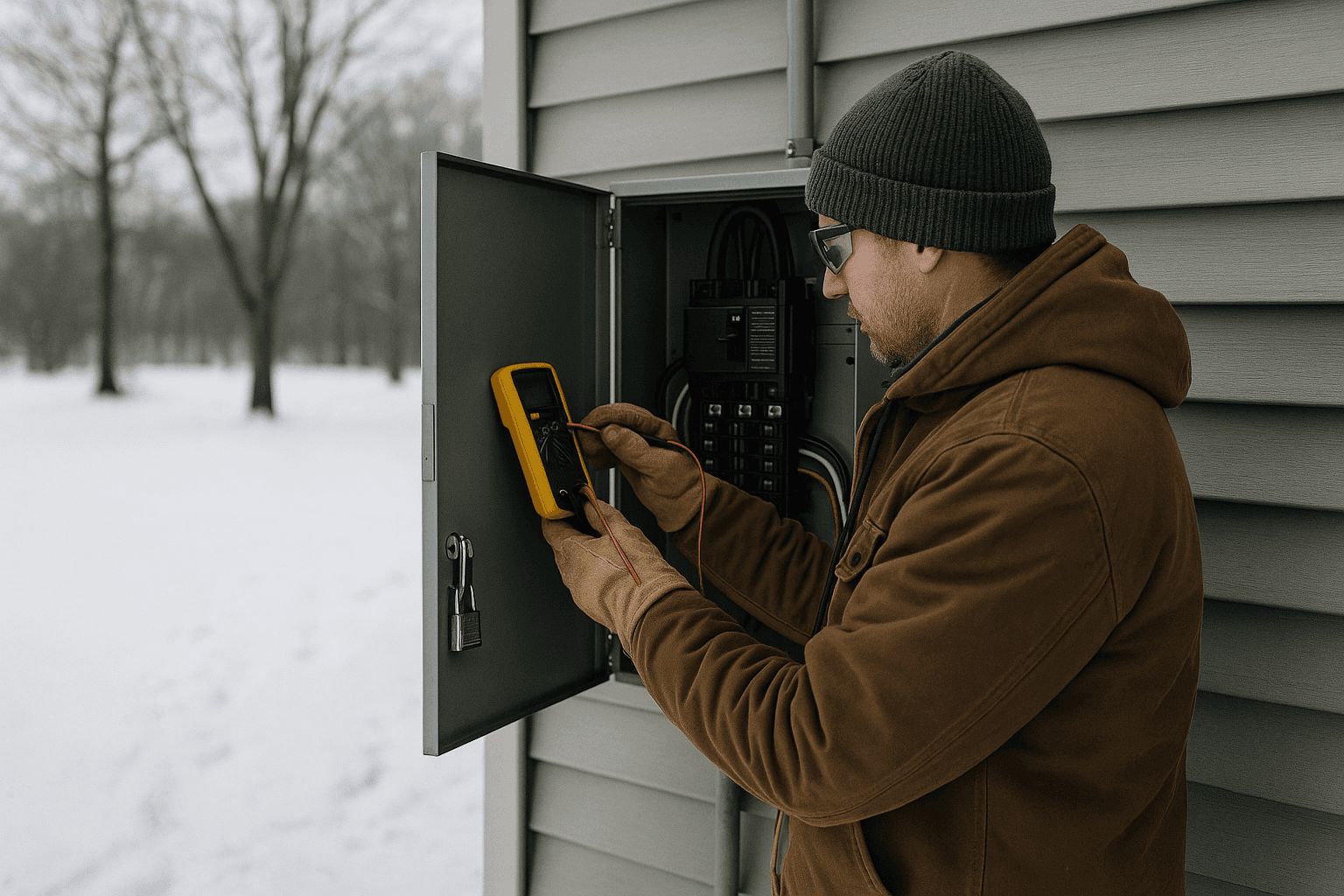
When winter storms roll in, the world outside can turn into a snow globe—beautiful, but unpredictable. The last thing you want is to be left in the cold, literally or figuratively, because of a preventable electrical problem.
At Heavy Duty Electric, we know how quickly a cozy evening can turn into a scramble for flashlights and blankets. We’re here to help you get ahead of the storm, keep the lights on, and protect what matters most.
Common Winter Electrical Hazards
Winter storms bring more than just snow and ice. They pack a punch for your electrical system in ways that are easy to overlook:
- Power Surges: Like a tidal wave for your wiring, sudden voltage spikes can fry sensitive electronics.
- Outages: Heavy snow or ice can snap power lines, leaving homes and businesses in the dark.
- Moisture Intrusion: Water and electricity are a dangerous mix. Melting snow can seep into panels or outlets, causing shorts or even fires.
- Overloaded Circuits: Space heaters and holiday lights add extra strain, sometimes more than your system can safely handle.
Understanding these risks is the first step toward a safer, warmer winter.
Inspecting and Maintaining Electrical Panels and Breakers 🧰
Think of your electrical panel as the heart of your home's power system. If it’s not healthy, nothing else works right.
What Should You Look For?
- Rust or Corrosion: Moisture sneaking in can corrode connections.
- Loose Breakers: A breaker that wiggles is a breaker that could fail.
- Burn Marks or Odd Smells: These are red flags—never ignore them.
- Tripped Breakers: If a breaker keeps tripping, something’s wrong.
Maintenance Tips
- Keep the Area Dry: Clear away snow, water, or debris from around your panel.
- Test Breakers: Flip them off and on to ensure they move freely.
- Label Circuits: Make sure every breaker is clearly marked for quick shut-offs.
For anything out of the ordinary, call a licensed emergency electrician. Tinkering with panels without training is like poking a beehive—best left to the pros.
Installing Surge Protection Devices
A single lightning strike or grid hiccup can send a surge racing through your home, damaging everything from TVs to refrigerators. Surge protection works like a goalie, blocking dangerous voltage spikes before they reach your appliances.
Types of Surge Protection
- Whole-Home Surge Protectors: Installed at your main panel, these offer broad coverage.
- Point-of-Use Devices: Power strips with built-in protection are great for electronics.
Why Install Before Winter?
Winter storms increase the risk of surges. Installing protection now means peace of mind when the wind howls and the lights flicker.
Tip: The National Electrical Code (NEC) recommends surge protection for all new or renovated homes. A qualified electrician can ensure your system meets these standards.
Using Backup Generators Safely and Effectively ⚡
Generators are like a lifeboat during a blackout. But, just like lifeboats, they need to be ready before you need them.
Key Safety Rules
- Never run a generator indoors. Carbon monoxide is deadly.
- Keep it dry. Operate on a dry surface, under a canopy if needed.
- Use heavy-duty extension cords. Lighter cords can overheat.
- Install a transfer switch. This prevents dangerous backfeeding into utility lines.
Maintenance Checklist
- Test monthly. Start your generator and let it run for a few minutes.
- Check fuel and oil. Fresh fuel avoids gumming up the engine.
- Store safely. Keep fuel in approved containers, away from living spaces.
A professional installation ensures your generator is ready to go when the power isn’t.
Scheduling Professional Electrical Safety Inspections
An inspection from a licensed electrician is like a winter coat for your electrical system—essential protection against the elements. It’s not just about checking boxes; it’s about uncovering hidden issues before they become emergencies.
What’s Covered in an Inspection?
- Panel and Breaker Condition: Ensuring everything is tight, clean, and up to code.
- Wiring Integrity: Looking for frayed, damaged, or outdated wiring.
- GFCI Outlets: Testing outlets in kitchens, bathrooms, and outdoors for proper function.
- Grounding and Bonding: Making sure your system can safely handle a fault.
Reference: The Electrical Safety Foundation International (ESFI) recommends annual inspections, especially before severe weather seasons.
Emergency Preparedness Tips for Power Outages 🕯️
When the lights go out, a little planning makes a big difference. Think of it as packing an emergency kit for your home’s power.
Power Outage Kit
- Flashlights and Batteries: Skip the candles—flashlights are safer.
- Portable Phone Chargers: Keep your lifeline charged.
- Manual Tools: Garage doors and locks may need to be operated by hand.
- Battery-Powered Radio: Stay updated on weather and safety alerts.
Protect Your Appliances
- Unplug Sensitive Equipment: Prevents damage when power returns.
- Turn Off Major Appliances: Reduces load when electricity is restored.
- Keep Fridge Closed: Food stays colder, longer.
Communication Plan
Have important phone numbers handy, including your emergency electrician. Know how to reach your utility company and local emergency services.
Quick Safety Checklist for Winter Electrical Prep
- Inspect your electrical panel and breakers.
- Install or check surge protectors.
- Test backup generators and stock up on fuel.
- Schedule a professional electrical inspection.
- Prepare an emergency outage kit.
- Know how to safely shut off your main power.
- Review your insurance coverage for electrical damage.
DIY vs. Call a Pro
Some things are safe to handle on your own—like plugging in a surge protector or assembling your outage kit. But when it comes to panels, wiring, or anything involving high voltage, it’s time to call a licensed electrician.
Why? Because electricity doesn’t forgive mistakes. The risk isn’t just a blown fuse—it’s fire, injury, or worse.
What Pros Do On Arrival
When you call Heavy Duty Electric, here’s what you can expect:
- Thorough Assessment: We check panels, breakers, wiring, and grounding.
- Code Compliance: Work is done to meet or exceed national safety standards.
- Clear Explanations: We walk you through what’s wrong and how to fix it.
- Emergency Service: Available 24/7, because storms don’t keep office hours.
Our team brings the right tools, training, and experience to handle any emergency quickly and safely.
Prevention & Maintenance
Staying ahead of winter’s curve means making electrical maintenance a habit, not just a reaction.
Ongoing Steps
- Annual Inspections: Catch problems before they escalate.
- Upgrade Old Wiring: Modern wiring handles today’s electrical loads better.
- Replace Outdated Panels: Older panels may not provide adequate protection.
- Test Smoke and CO Detectors: Replace batteries every six months.
Small steps now can save you from big headaches later.
Costs & Time Factors
Every home and business is different, so costs and timelines can vary. Here’s what to expect:
- Inspections: Usually take 1–2 hours, depending on the size of your property.
- Surge Protector Installation: Often completed in under an hour.
- Generator Installation: May take several hours, especially with transfer switches.
- Emergency Repairs: Time depends on the nature of the problem.
Investing in prevention is almost always less expensive than repairing storm damage.
When It’s an Emergency
If you see sparks, smell burning, or lose power unexpectedly, don’t wait. These are signs of a serious issue that needs immediate attention.
- Downed Power Lines: Stay far away and call emergency services.
- Flooded Panels or Outlets: Water and electricity are a deadly mix—turn off power at the main breaker if safe, then call for help.
- Repeated Breaker Trips: This isn’t normal. It’s a sign of an underlying problem.
Heavy Duty Electric is ready 24/7 to respond—no matter when the storm hits.
FAQ
How often should I have my electrical system inspected?
The ESFI recommends annual inspections, especially before winter. If your home is older or you’ve added new appliances, consider more frequent checks.
Can I install a generator myself?
Portable generators can be set up by homeowners, but whole-home systems and transfer switches should always be installed by a licensed electrician.
Are surge protectors really necessary?
Yes. They protect your appliances and electronics from voltage spikes, which are more common during storms.
What signs mean I need an emergency electrician?
If you see smoke, smell burning, lose power suddenly, or have water near electrical equipment, call immediately.
Special Considerations for Winter Electrical Safety
- Pools & Spas: Ensure all outdoor wiring is rated for wet conditions and protected by GFCI.
- Home Automation: Smart systems can help manage power use and alert you to problems.
- EV Chargers: Make sure your charger is weatherproof and professionally installed.
- Commercial Buildings: Larger systems need more frequent checks—don’t overlook backup generators or emergency lighting.
Ready for Winter? Let’s Keep the Lights On
Winter storms can be unpredictable, but your electrical safety doesn’t have to be. With the right preparation, you can keep your home or business safe, warm, and connected—no matter what blows in.
Call Heavy Duty Electric now — or reach us anytime at 855-513-8570 .