Essential Guide to Electrical Panel Upgrades for Homeowners and Small Businesses
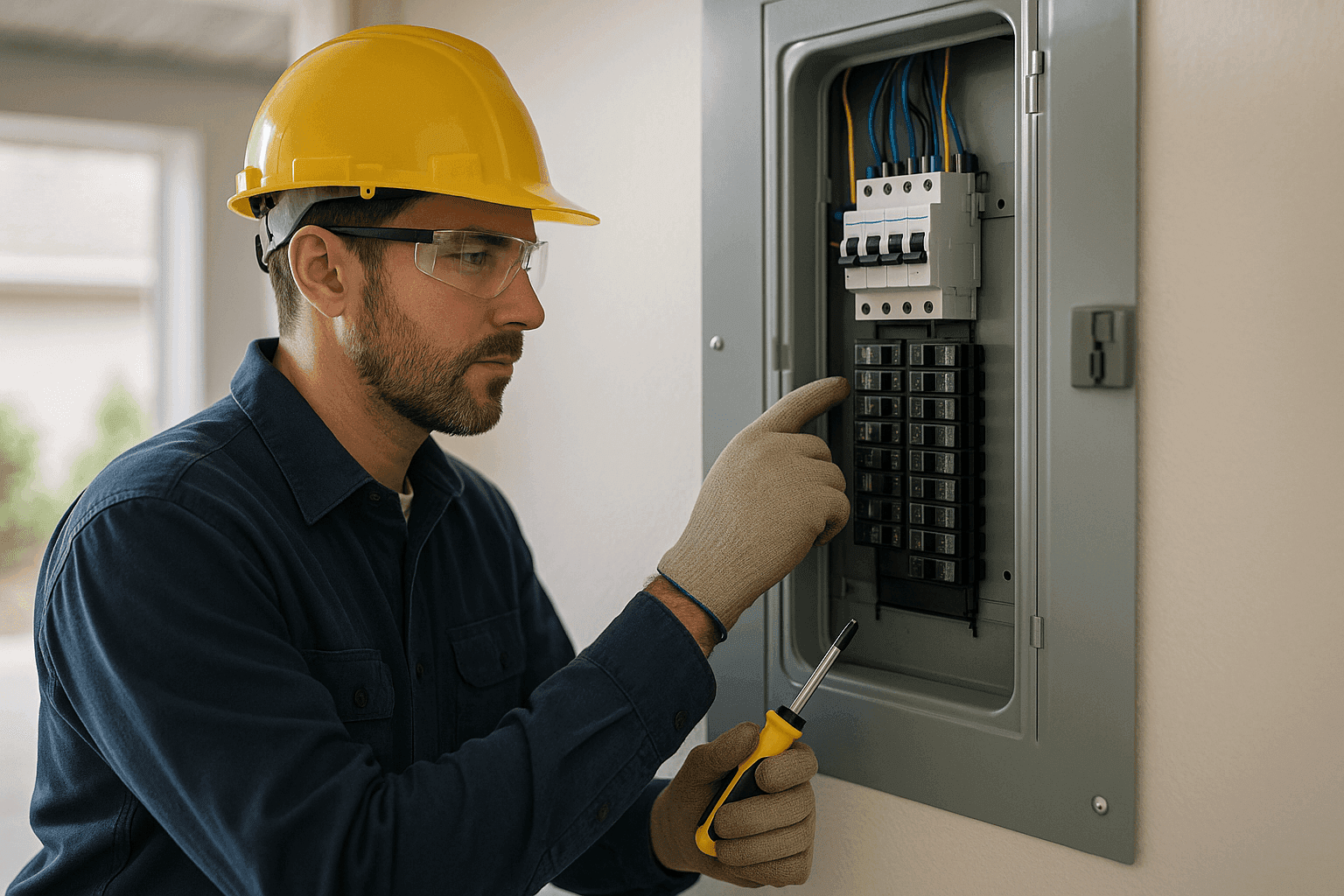
Are you worried your lights flicker every time you use the microwave? Do you hear crackling from your breaker box? You’re not alone. For homeowners and small business owners, electrical panels are the heart of your power supply. When it’s outdated or overloaded, the whole system is at risk.
At Heavy Duty Electric, we know how urgent electrical issues can be. That’s why our emergency electricians are ready 24/7. But prevention is even better. Upgrading your panel isn’t just about keeping the lights on—it’s about protecting your property, your people, and your peace of mind.
Why Upgrade Your Electrical Panel? ⚡
Think of your electrical panel like the main valve on a water system. If it’s rusty or too small, you’ll get leaks or pressure problems. Old panels, especially those with fuses or limited breaker space, just can’t keep up with today’s demands.
- Safety First: Outdated panels are more likely to overheat or fail, leading to fire hazards. According to the National Fire Protection Association (NFPA), electrical failures are a leading cause of home fires.
- More Power, Less Worry: Modern homes and businesses use more electronics, appliances, and smart devices than ever. An upgraded panel ensures you have the capacity for everything from EV chargers to high-powered kitchen gear.
- Meet Code Requirements: Electrical codes (like those from the National Electrical Code, NEC) change to keep people safe. Upgrading brings your system up to today’s standards.
- Insurance and Resale: Some insurers require updated panels for coverage. Plus, a new panel can boost your property’s value and appeal.
Signs You Need an Electrical Panel Upgrade
Not sure if you’re due for an upgrade? Watch for these warning signs:
- Frequent Breaker Trips: If breakers trip often, your panel may be overloaded.
- Flickering or Dimming Lights: Especially when large appliances turn on.
- Old Fuse Boxes: Fuses are outdated and less safe than breakers.
- Burn Marks or Odd Smells: Any sign of heat or burning near your panel is serious.
- Buzzing or Crackling Sounds: Panels should run silently.
- Warm or Hot Panel Surface: Overheating is a red flag.
- Added Major Appliances: New HVAC systems, EV chargers, or hot tubs can overwhelm old panels.
- Limited Outlets: Relying on extension cords or power strips? Your panel may be maxed out.
- No Main Breaker: Modern panels have a main shutoff for emergencies.
If you notice any of these, don’t ignore them. Electrical issues rarely fix themselves—they tend to get worse.
Cost Factors and What to Expect
Let’s talk numbers. The cost to upgrade an electrical panel varies, but here’s what affects the price:
- Panel Size: Upgrading from 100-amp to 200-amp (or higher) increases material and labor costs.
- Wiring Condition: Old or damaged wiring may need replacement.
- Accessibility: Hard-to-reach panels or tight spaces can add to labor time.
- Permits and Inspections: Local codes require permits and final inspections.
- Additional Upgrades: Adding circuits, surge protection, or whole-home safety features increases the total.
Most upgrades take a day or less, but complex jobs or commercial systems may need more time. Your electrician should provide a clear estimate after inspecting your setup.
How Professionals Perform Electrical Panel Upgrades
Upgrading a panel isn’t just a swap—it’s a carefully planned process that puts safety first.
- Assessment: A licensed electrician evaluates your current panel, wiring, and power needs.
- Permits: Required by law. This ensures work meets electrical codes like the NEC.
- Power Shutoff: For safety, power is disconnected at the meter.
- Panel Removal: The old panel and breakers are safely removed.
- Wiring Upgrade: If needed, wiring is replaced or re-routed.
- New Panel Installation: The new panel is mounted, breakers installed, and circuits connected.
- System Testing: Every breaker and circuit is tested for safety and function.
- Inspection: A certified inspector reviews the work before power is restored.
Throughout, pros use insulated tools, wear protective equipment, and follow strict safety protocols. Never attempt this yourself—live electrical work is extremely dangerous.
Preparing Your Home or Business for an Upgrade
A little prep goes a long way to make the process smooth:
- Clear Access: Remove furniture, boxes, or clutter near the panel.
- Unplug Sensitive Devices: Power will be off, so unplug computers, TVs, and electronics.
- Plan for Downtime: Most upgrades take 4–8 hours. Schedule around business hours if possible.
- Notify Occupants: Let everyone know when the power will be out.
- Backup Power: If you need critical systems (like medical devices or servers), arrange for backup power.
Our team at Heavy Duty Electric can help you plan every step, minimizing disruption so you can get back to normal fast.
Quick Safety Checklist
- Never touch an open electrical panel.
- If you smell burning or see sparking, call an emergency electrician immediately.
- Don’t use extension cords as a permanent solution.
- Test your smoke and carbon monoxide detectors regularly.
- Schedule routine electrical safety inspections—especially after renovations or before buying/selling.
What to Expect from a Professional Visit
When you call for an upgrade or emergency, here’s what happens:
- Arrival and Assessment: The electrician inspects your panel, wiring, and main service line.
- Discuss Needs: They’ll ask about your appliances, future plans (like EV charging), and any issues you’ve noticed.
- Safety Review: Immediate hazards are addressed first.
- Estimate and Timeline: You receive a clear quote and schedule.
- Work Begins: Licensed electricians handle every step, following code and safety standards.
- Final Inspection: Work isn’t done until it passes inspection.
Emergency Panel Issues: When Every Second Counts 🚨
Some panel problems can’t wait:
- Burning smells or visible smoke.
- Sparking or arcing from the panel.
- Complete loss of power with buzzing or humming sounds.
- Water damage near the panel.
In these cases, shut off your main breaker (if safe) and call an emergency electrician immediately. Heavy Duty Electric is available 24/7 for urgent electrical issues.
Electrical Panel Upgrade FAQ
Q: How often should I upgrade my electrical panel?
A: Panels typically last 25–40 years, but heavy use, renovations, or new appliances can shorten that. If your panel is over 25 years old, have it inspected.
Q: Can I add more circuits to my existing panel?
A: Sometimes, but only if there’s space and the panel isn’t overloaded. An electrician can tell you if it’s safe.
Q: Are panel upgrades messy?
A: There’s some dust and noise, but professionals use drop cloths and clean up thoroughly.
Q: Will my insurance go down after an upgrade?
A: Some insurers offer better rates for updated electrical systems. Check with your provider.
Special Considerations for Homeowners and Small Businesses
- Home Automation: Smart homes need reliable, high-capacity panels for all those connected devices.
- EV Chargers: Electric vehicle charging requires dedicated circuits and extra capacity.
- Commercial Needs: Shops and offices often need three-phase power or extra circuits for equipment.
- Pools & Spas: Water and electricity don’t mix—upgraded panels with GFCI protection are essential.
- Backup Generators: New panels make it easier to connect safe, code-compliant backup power.
Refer to authoritative resources like the National Electrical Code (NEC), National Fire Protection Association (NFPA), and Occupational Safety and Health Administration (OSHA) for further guidelines.
Don’t wait for a blackout or emergency to take action. Upgrade your electrical panel for safety, reliability, and peace of mind.
Call Heavy Duty Electric now — or reach us anytime at 855-513-8570 .